Common Transportation Errors at Events
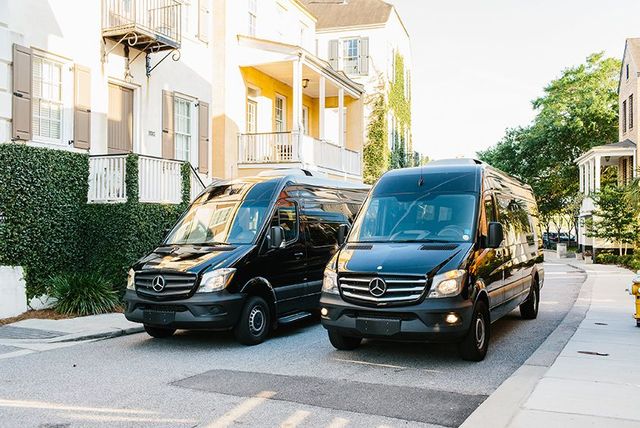
Proper transportation planning is essential for a seamless event experience. From corporate gatherings to private celebrations, reliable and well-coordinated transportation sets the tone for professionalism, comfort, and confidence. Ignoring transportation details can compromise the success and smooth operation of events. Minor mistakes in travel planning can create significant problems for timing and atmosphere. Understanding common transportation mistakes allows planners to take proactive steps toward excellence. Smooth transportation quietly enhances overall event quality.
Lowcountry Valet understands how easily overlooked details can create unnecessary challenges. Working with many events shows predictable mistakes that can be prevented. These issues often stem from rushed planning, unclear communication, or unrealistic expectations. Addressing them early ensures that guests feel valued and respected from the moment they begin their journey. Careful coordination enhances the perceived quality of the event. This guide explores the most common event transportation mistakes and how to avoid them effectively.
Underestimating Transportation Planning Time
A frequent error is not giving enough lead time for travel coordination. Planners often think vehicle arrangements can be made at the last minute. Late or hasty arrangements frequently create conflicts and compromises. Transportation involves more than simply selecting a vehicle; it requires route planning, timing analysis, and contingency preparation. Without adequate planning time, important elements are overlooked. A clear schedule ensures all aspects of transportation function seamlessly.
Adequate preparation creates leeway and lowers tension. It allows for adjustments based on guest numbers, itinerary changes, and special requirements. Booking late reduces flexibility and increases the likelihood of errors. Proactive scheduling supports seamless coordination with staff and venues. A well-organized timeline supports consistent communication and documentation. Sufficient lead time safeguards the quality and professionalism of the event.
Neglecting Arrival and Departure Logistics
Planners often underestimate the importance of guest flow. Events often involve staggered arrival times, group transfers, and varying departure schedules. Overlooking arrival and departure timing leads to overcrowding and disorder. Vehicle allocation needs to consider actual guest behavior. Recognizing arrival and exit trends supports proper fleet usage. Well-structured schedules prevent guest frustration and oversight.
Understanding arrivals and departures allows smoother coordination and shorter waits. When arrival and departure schedules are clearly mapped, vehicles can be positioned strategically. Optimized transit allocation improves service and reduces delays. Proper scheduling supports safety and smooth transitions. Proper coordination prevents overcrowding and miscommunication. Coordinated transit ensures a professional and comfortable experience.
Neglecting Stakeholder Communication
Transportation planning often suffers when communication among stakeholders is inconsistent. Planners, staff, and drivers need timely and precise updates. When updates are delayed or incomplete, mistakes multiply quickly. Errors in timing or location assignments create operational challenges. Consistent updates ensure accountability and teamwork. Effective information flow enables timely adjustments to challenges.
Frequent updates and records support smooth execution. They clarify roles and reduce confusion. Accessible communication prevents misunderstandings. Collaboration integrates transportation into the event experience. Uniform communication strengthens confidence and dependability. Reliable communication enhances the event’s reputation and smooth operation.
Choosing Inappropriate Vehicle Types
Selecting the wrong vehicle type is a mistake that can undermine comfort and efficiency. Different events require different transportation solutions based on guest profiles and schedules. Wrong vehicle assignments can cause congestion and reduce guest enjoyment. Lowcountry Valet ensures transportation options suit the occasion. Seating, interior features, and vehicle configuration should match the event requirements. Careful vehicle planning enhances the overall guest experience.
Choosing appropriate vehicles influences scheduling and organization. Big groups need spacious and easily accessible vehicles. Professional gatherings benefit from calm and distraction-free transportation. Special occasions often benefit from enhanced comfort and visual appeal. Evaluating these factors prevents mismatches that disrupt schedules. Choosing the right vehicles maintains professionalism and efficiency.
Failing to Prepare for Unexpected Changes
Unexpected changes are inevitable in event management, yet many transportation plans lack flexibility. Weather shifts, schedule adjustments, and last-minute guest additions are common occurrences. Without contingency measures, these changes can derail carefully arranged logistics. Strict schedules prevent effective responses to change. Anticipating potential disruptions enables smooth handling. Alternative plans support stress-free management for all involved.
Contingency planning includes alternative routes, standby vehicles, and emergency communication protocols. Such measures enable prompt reaction to unexpected challenges. Adaptive planning encourages team members to act decisively as needed. Readiness ensures transportation runs smoothly despite surprises. Contingency-ready transit safeguards the event’s flow. Being proactive signals high standards and operational trustworthiness.
Overlooking Attendee Satisfaction
Focusing solely on logistics while ignoring guest comfort is a significant oversight. Transportation is often the first and last interaction guests have with an event. Crowded or poorly managed vehicles reduce guest satisfaction. Comfortable seating, climate control, and smooth travel contribute to positive perceptions. Providing for guest needs reflects consideration and service quality. Careful attention to passengers strengthens event success.
Comfortable transit sets the tone for a welcoming atmosphere. When guests feel relaxed and cared for, limousine company they arrive more receptive and energized. Minor issues can escalate without proper attention. Prioritizing comfort reduces complaints and distractions. It also encourages punctuality and cooperation. Consistent attention to guest experience strengthens the event’s reputation.
Inadequate Staff Coordination and Training
A great plan depends on a well-prepared team. All staff members need to work in sync for smooth operations. Insufficient preparation causes errors and confusion. Everyone should be aware of the schedule, guest needs, and emergency protocols. Training ensures staff act decisively and professionally. Effective teamwork translates to smooth transportation.
Regular practice reinforces excellence and professionalism. It reinforces expectations regarding professionalism, courtesy, and responsiveness. Well-informed staff can anticipate issues before they escalate. Clear leadership structures also enhance accountability. Role clarity supports seamless service. Effective teamwork improves the attendee experience.
Neglecting Post-Event Assessment
Event managers often skip reviewing transportation outcomes. After the event, travel logistics are seldom examined. Skipping review limits future enhancements. Reviewing timelines, feedback, and operational challenges reveals valuable insights. Lowcountry Valet emphasizes continuous assessment as part of professional service standards. Reviewing past performance strengthens skills and planning.
Post-event analysis supports strategic refinement and future readiness. Analysis uncovers patterns and best practices. Documentation of lessons learned strengthens institutional knowledge. This process also enhances relationships with clients and partners. Consistent evaluation demonstrates commitment to excellence. Lessons from each event help refine and optimize transit.